As the Maximum Fair Price (MFP) era looms large for long-term care (LTC) pharmacies, the need for preparation has never been greater. The Inflation Reduction Act (IRA), which introduces significant changes to Medicare drug pricing, presents both a challenge and an opportunity for LTC pharmacies. Success in this new environment will depend on pharmacies' ability to adapt strategically while optimizing operations.
LTC pharmacies must not only negotiate better payer contracts but also leverage technology to streamline workflows, reduce costs, and ensure compliance. Here’s how every LTC pharmacy can prepare to navigate the evolving landscape successfully.
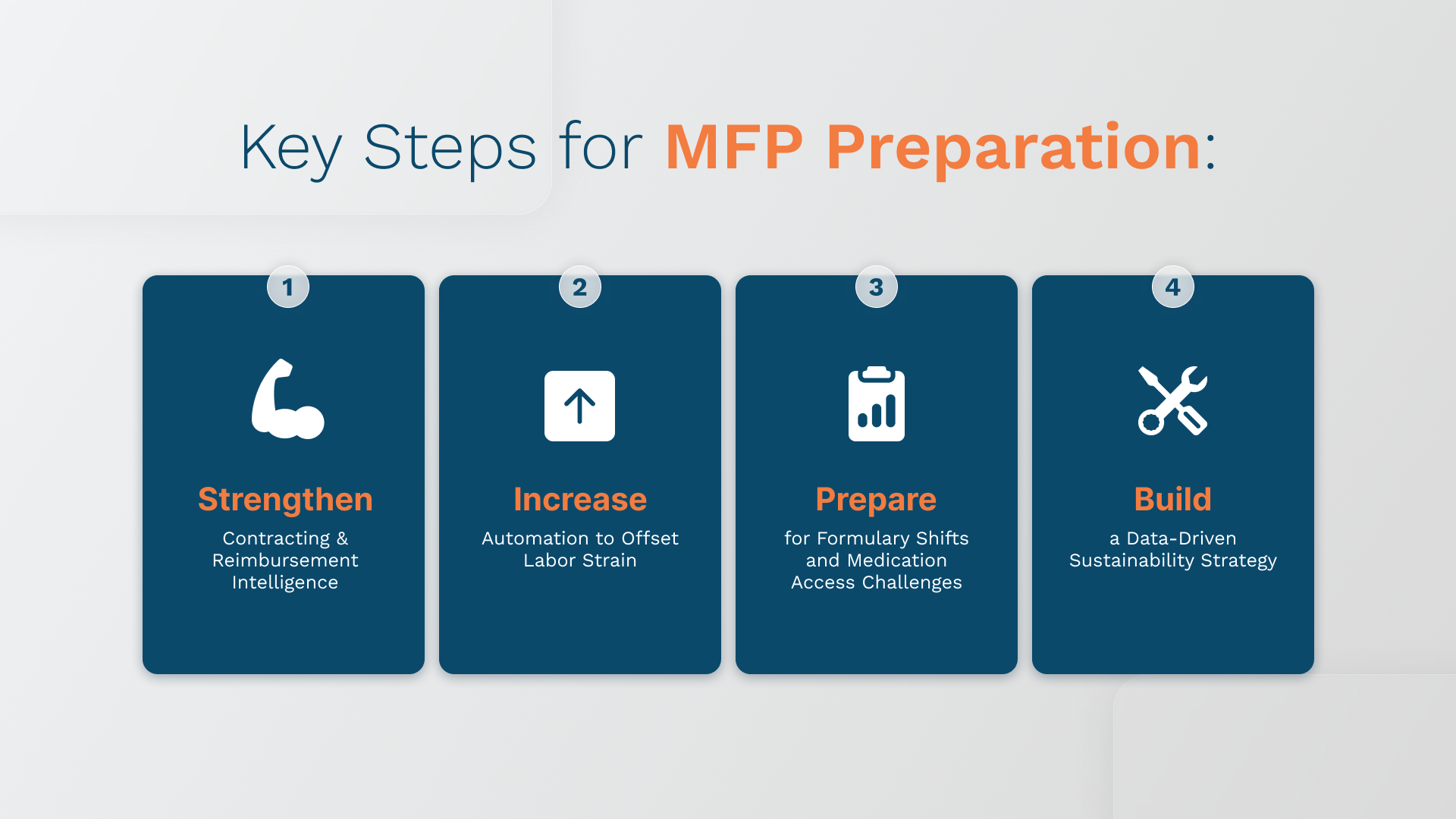
1. Strengthen Contracting and Reimbursement Intelligence
The first step toward thriving in the MFP era is to evaluate payer contracts closely. Under the new MFP framework, reimbursement rates are directly impacted by negotiated drug prices, which could significantly reduce pharmacy margins. Pharmacies must ensure their contracts include MFP-aligned reimbursement language and updated dispensing fee structures to ensure financial sustainability.
Key Contract Areas to Review:
- MFP-aligned reimbursement language: Ensure your contracts reflect the negotiated MFP prices and reimbursement for professional dispensing services.
- Updated dispensing fee structures: Negotiate for reasonable fees that cover the costs of delivering specialized services to LTC patients.
- Clawback and reconciliation terms: Understand the terms under which payers may reverse payments and develop strategies to protect cash flow.
- Cash flow protection: Ensure prompt and predictable payment schedules.
To navigate these contract details effectively, pharmacies need near real-time data visibility to track trends and predict financial outcomes.
FrameworkInsight, gives pharmacies:
- Real-time visibility into reimbursement patterns
- Margin trends by drug, payer, and facility
- Cash flow indicators
- Custom alerts when reimbursements shift
- Forecasting tools to plan for 2026 and beyond
FrameworkInsight transforms a rapidly changing reimbursement landscape into something your team can confidently manage, giving you the data you need to stay ahead.
2. Increase Automation to Offset Labor Strain
One of the most significant challenges facing LTC pharmacies is staffing shortages. With 91% of LTC pharmacies anticipating staffing cuts under MFP, operational efficiency will become a critical factor in pharmacy survival. The good news is that automation can help reduce the burden of manual labor and free up pharmacists to focus on high-value tasks like patient care.
How to Increase Automation:
- Automate order entry to reduce manual data entry and lower the chance of errors.
- Streamline repetitive administrative tasks to cut down on processing time.
- Implement automated reject management to address claim rejections faster.
- Leverage AI for high-volume data processing to ensure faster prescription fulfillment and minimize human error.
FrameworkLTC’s platform, combined with AI capabilities, automates:
- Order entry population
- Repetitive tasks
- Error-prone workflows
- High-volume data processing
By reducing manual labor, pharmacies can absorb financial pressures without sacrificing care quality.
3. Prepare for Formulary Shifts and Medication Access Challenges
As negotiated prices take effect in the MFP era, plans may adjust formularies, creating challenges for pharmacies. LTC pharmacies must prepare for these formulary shifts by developing workflows that can adapt quickly and efficiently.
What to Prepare For:
- Alternative therapies: When preferred medications are no longer available, pharmacies must have procedures in place for switching to alternatives.
- Prior authorizations: As formularies shift, ensuring quick processing of prior authorizations will be key to preventing delays in care.
- Switching patterns: The change in formulary may lead to complex switching patterns that require timely action from the pharmacy team.
- Increased clinical review needs: Increased formulary changes mean more clinical reviews will be necessary to ensure medication safety and compliance.
FrameworkLTC’s integrated suite helps pharmacies:
- Automate eMAR updates
- Streamline clinical note documentation
- Efficiently process therapy changes
By reducing the operational burden created by payer-driven disruptions, SoftWriters’ tools help LTC pharmacies manage formulary shifts with ease.
4. Build a Data-Driven Sustainability Strategy
The MFP era will reward pharmacies that are proactive and data-driven. Pharmacies that can see trends early, model financial risk, and optimize staffing intelligently will be the ones that thrive. Data-driven sustainability strategies will be essential for ensuring operational success and financial health in 2026 and beyond.
Key Strategy Components:
- Early trend detection: Use data to spot changing patterns in drug costs, payer behavior, and patient needs.
- Financial risk modeling: Forecast the financial impact of MFP implementation on your pharmacy’s revenue and margins.
- Inventory management: Leverage data to optimize drug purchases, minimize waste, and reduce costs.
- Optimizing staffing: Use data to forecast staffing needs, manage labor costs, and prevent burnout.
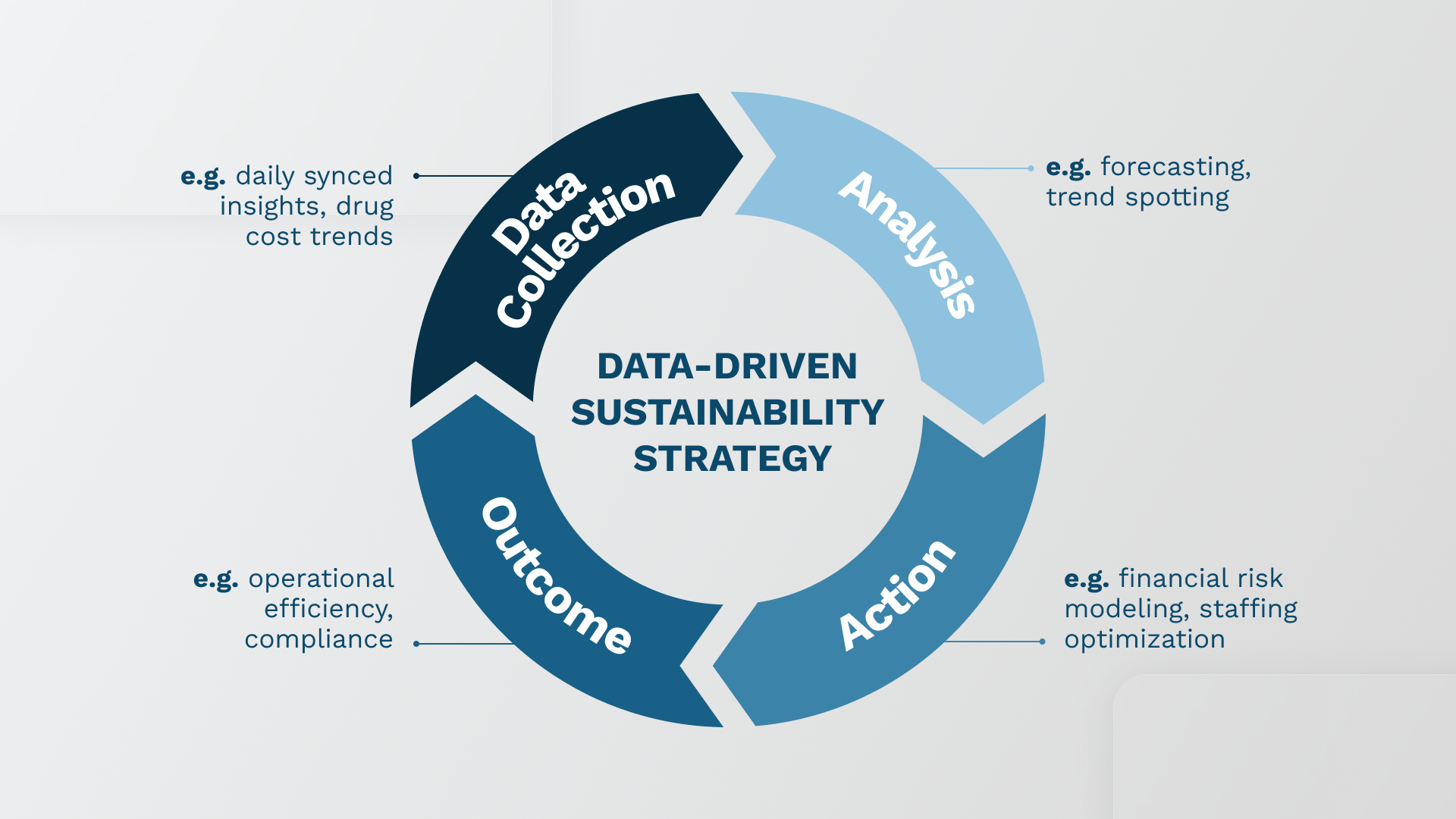
FrameworkLTC Makes It Possible
With FrameworkInsight and the FrameworkLTC platform, LTC pharmacies gain:
- Daily synced operational insights
- Facility performance dashboards
- Drug cost trend analysis
- Payer comparison intelligence
- Predictive modeling to assess financial risk
LTC Pharmacies Must Act Now to Protect 2026 and Beyond
The move toward Maximum Fair Price will redefine the financial and operational realities for LTC pharmacies. While its intent supports beneficiaries, the impact on pharmacies will be significant. The pharmacies that will succeed are the ones that act now, using the right data, the right technology, and the right strategy.>FrameworkLTC provides the tools LTC pharmacies need to adapt and thrive in the MFP era, including:
- Operational insights
- AI-powered automation
- Scalable workflows
- A connected ecosystem built specifically for LTC
The next two years are crucial for LTC pharmacies to ensure both sustainability and patient care. By preparing now, pharmacies can navigate the complexities of the MFP era with confidence and precision.
.png?width=352&name=MPPP+Mockukp+FInal+(5).png)